
72 hr
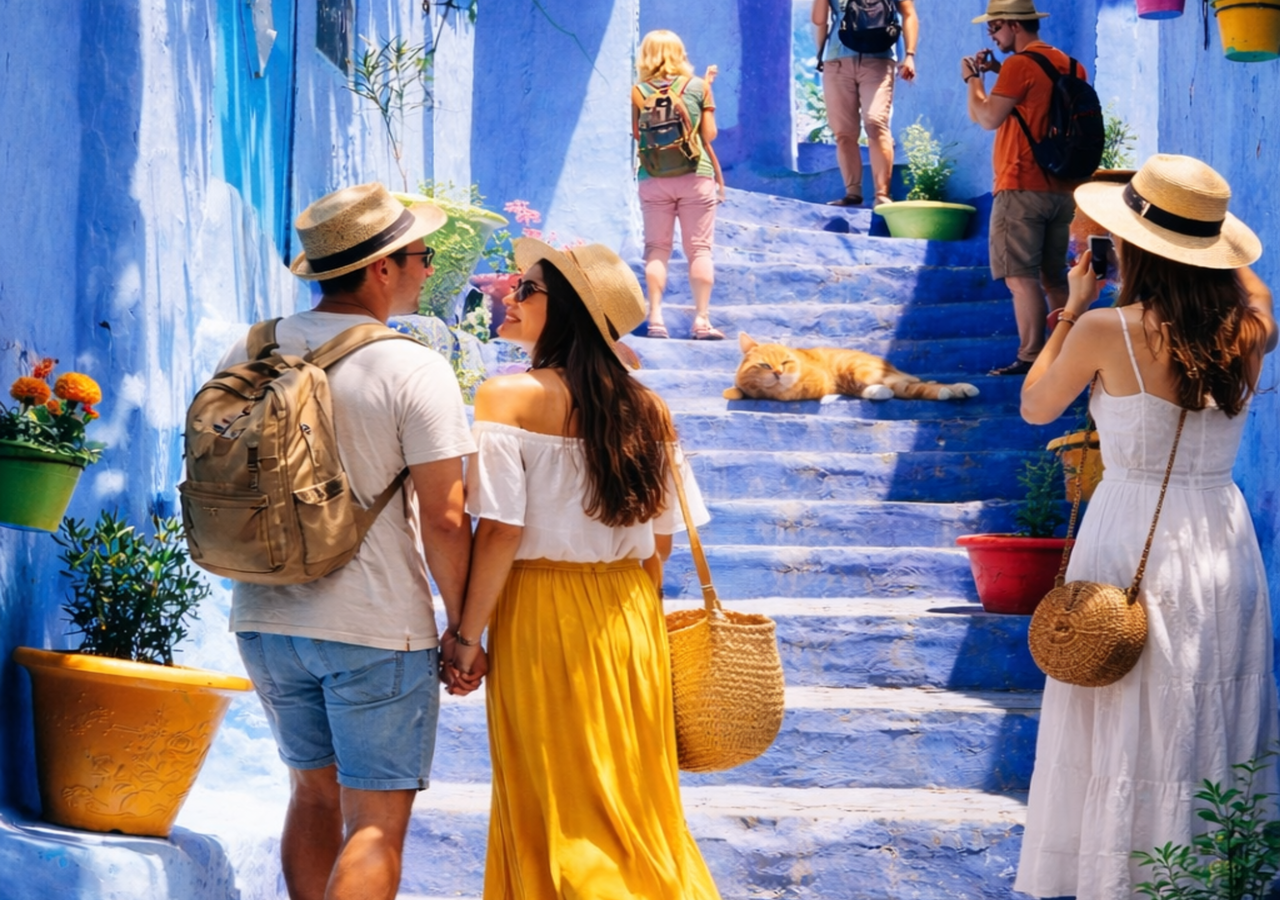
3-Day Imperial Cities Tour from Marrakech
Journey through Morocco's historic capitals, Atlas peaks, and the blue pearl of Chefchaouen
Reserve
Hand-picked by our editors — only the best 5 evening experiences from 47 reviewed.
Verified partners for every tour, free cancellation where available, and instant confirmation on every booking.
72 hr
Journey through Morocco's historic capitals, Atlas peaks, and the blue pearl of Chefchaouen
Reserve
6 hr
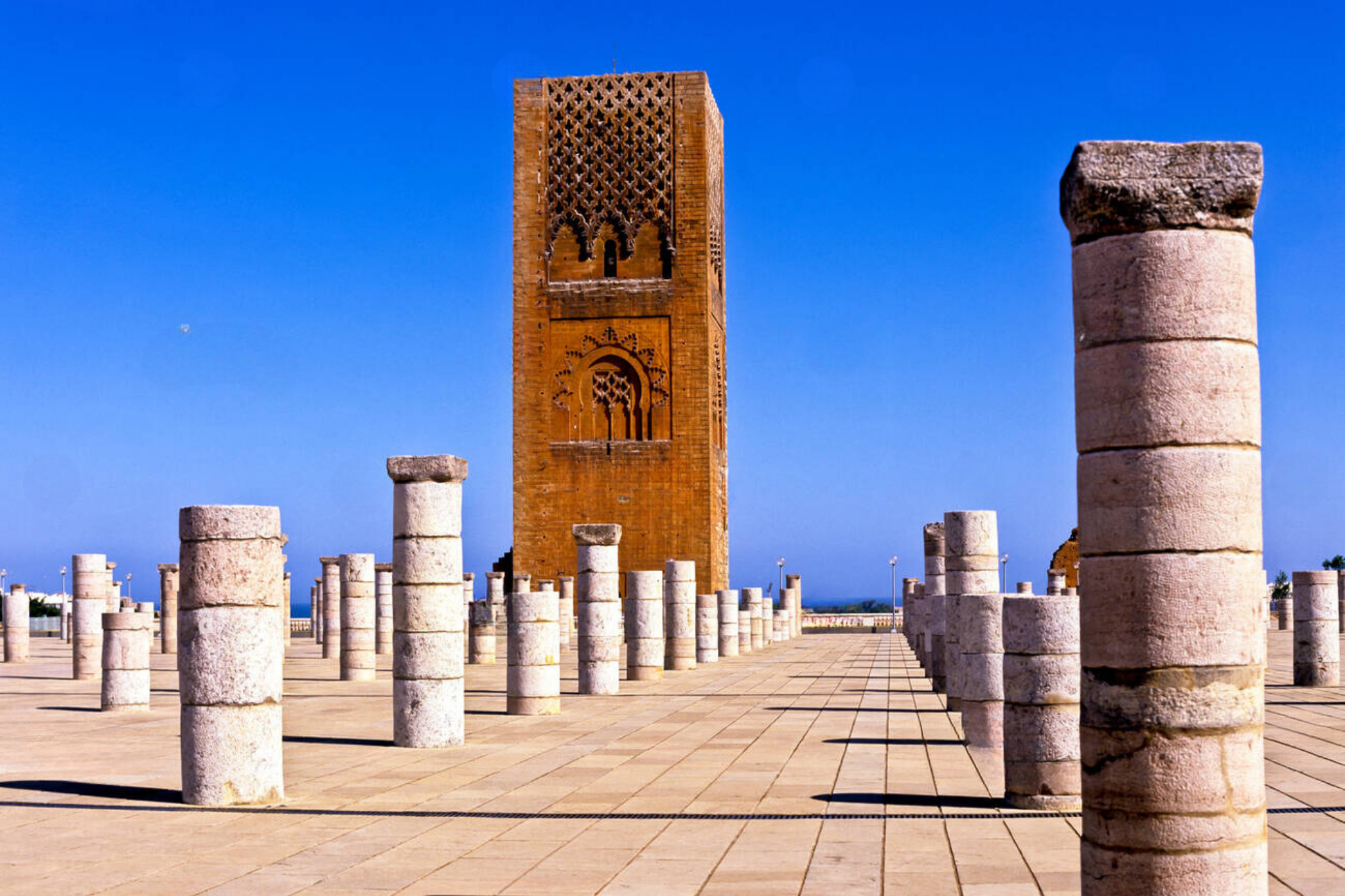
Discover Morocco's capital on a 6-hour excursion featuring historic landmarks and vibrant markets
Reserve
4 hr
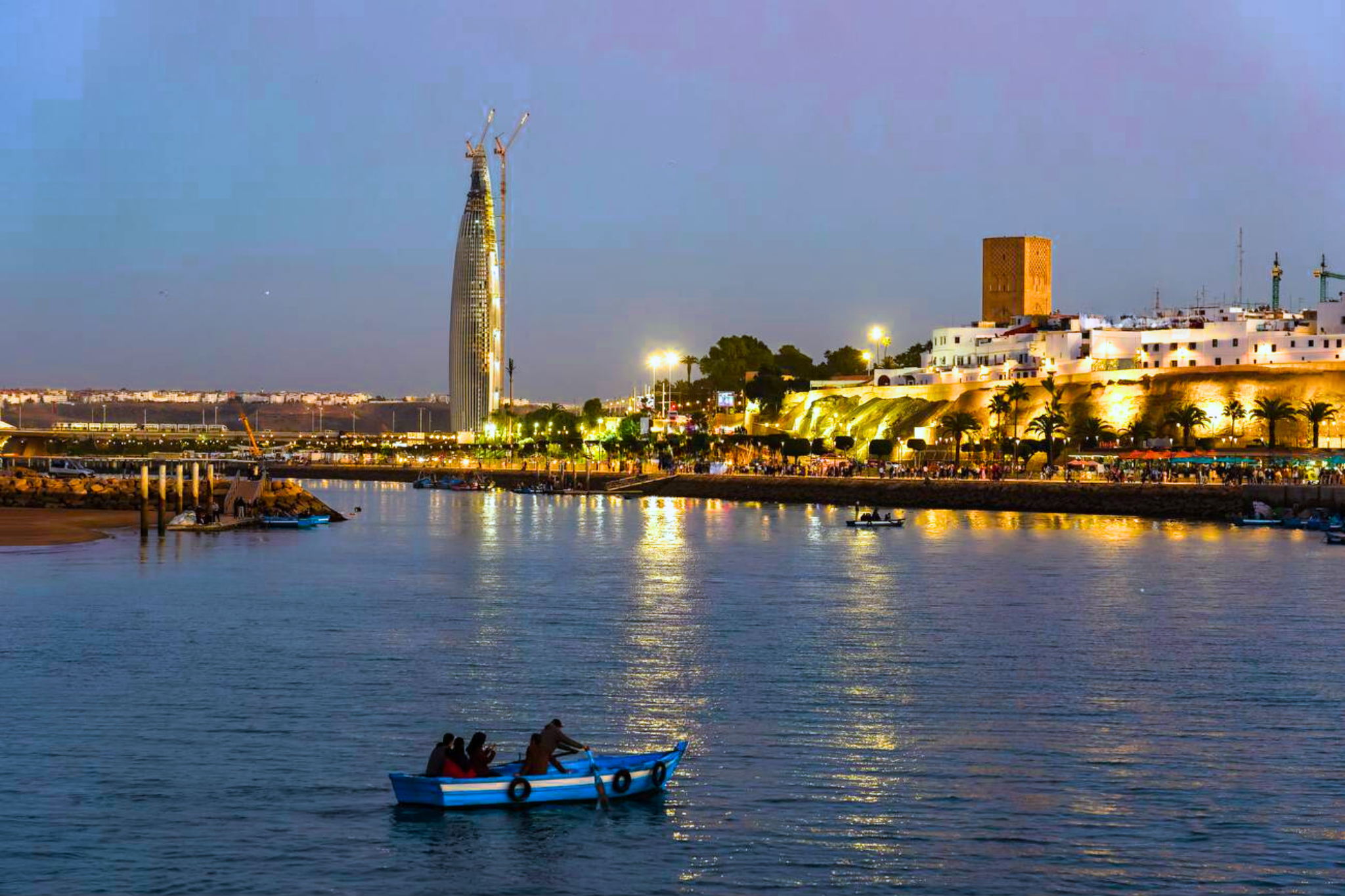
Discover Rabat's historic sites at dusk and savor authentic Moroccan flavors at a local restaurant
ReservePrices from verified partners. Availability updates in real time at checkout. Free cancellation policies apply where shown.
The landmarks, rooms, and views travelers on this tour remember — all visible on a single visit.
The main baroque entrance to the city was built in 1724. It serves as the primary gateway for your mdina night walk.
Mdina Cathedral
Bastion Square
Greek Gate
Domus Romana
The mdina night walk offers silent, medieval introspection, while the Valletta Night Tour provides a social, energetic immersion into the capital's illuminated urban landmarks. Those seeking tranquil, stone-walled alleyways prefer Mdina, whereas Valletta is ideal for travelers wanting to experience the bustling nightlife of these historic Maltese fortifications.
| Feature | Top pick Mdina Night Walk | Valletta Night Tour |
|---|---|---|
Atmosphere |
Silent, medieval, tranquil | Energetic, social, commercial |
Crowd Levels |
Very low after sunset | Moderate to high |
Dining Options |
Limited fine dining | Diverse restaurants and bars |
Guided vs Self-Guided |
Mostly self-guided | Predominantly guided tours |
Historical Focus |
Ancient silent city architecture | Baroque urban legacy |
Typical Pace |
Slow, contemplative stroll | Varies by tour group |
| See tickets → |
Verdict: Choose the mdina night walk tours if you prefer solitary exploration, or opt for a Valletta Night Tour if you desire a structured, high-energy discovery of Maltese cultural nightlife; mdina night walk tickets are effectively 0 EUR, whereas a guided mdina night walk tour generally involves professional fees in Valletta.
Choose your ticket, select your date, and reserve in under two minutes. Secure checkout handled by our verified partner.
Instant confirmation by email, with a mobile voucher you can save offline. No printing, no queuing at a collection desk.
Arrive at the entrance, show your voucher on your phone, and walk in. Most tickets include priority or skip-the-line access.
Practical details for your visit straight from our verified partners — hours, access, rules, and how to get there.
Mdina, Malta
Main entrance to the city
Buses to Mdina Interchange run regularly. Check Tallinja app for late night schedules.
Park outside the city walls in designated zones. The city is pedestrianized inside the gate.
Modest clothing is requested if you plan to enter the Mdina Cathedral or other religious sites during your mdina night walk.
There are no security checkpoints for this public space. Keep personal belongings secure while walking the quiet Mdina alleys.
Photography is permitted throughout the silent city. An mdina night walk offers unique lighting conditions for capturing medieval architecture.
The city features uneven limestone paving and inclines. Wheelchair users may find an mdina night walk challenging due to historical terrain.
Mobile phones are permitted for navigation and photography. Use maps to guide your Mdina evening exploration.
The city is safe for families and provides an educational experience. An mdina night walk can be enjoyed by children if they are comfortable with quiet, dimly lit environments.
Several establishments in Mdina and Rabat offer late-night refreshments. Ensure you carry water during your evening Mdina historical tour.
Pets are allowed in the public streets. Ensure they remain on a leash during any walking tour in Mdina.
The city is pedestrianized and quietest during evening hours after day-trip crowds depart. An mdina night walk allows for a peaceful experience of the ancient capital.
Best time to go, insider tips, nearby landmarks, and the cancellation fine print — flip through to skim what matters to you.
How crowds, weather, and events shift across the year.
Evenings are cooler than days with temperatures near 25C. Crowds are lower during an mdina night walk in August.
Mild temperatures make for pleasant evening strolls. The city is less crowded than summer months.
Ideal weather for outdoor walking in Mdina and Rabat. Flowers bloom in early spring evenings.
Cooler and quieter evenings are common. Perfect for those seeking solitude during an mdina night walk.
Small details that turn a good visit into a great one.
Respect local residents by keeping noise levels low. An mdina night walk should remain tranquil.
Wear flat, sturdy shoes to navigate limestone. Historical streets are uneven.
Carry a light if sensitive to dim areas. Not all alleys have full illumination.
Bring a tripod for long exposure. The medieval architecture is perfect for evening photos.
Download maps before arriving. GPS can be inconsistent in narrow streets.
Non-bookable sights within a short walk — free to visit, easy to pair.
Underground burial sites in Rabat
Ruins of a Roman town house
Historical crypts and frescoes
Historical exhibits in city walls
Flexible, no hidden fees.
As Mdina is a public city, there is 0 EUR entrance fee. No cancellation policy applies to general exploration of public streets.
Hand-picked options within walking distance — pick a district for vibe, or a specific hotel for convenience.
Boutique hotel inside city walls
Guesthouse with city views
Various guesthouses available
Mdina's pedestrian streets close to vehicles at sunset, transforming the fortified plateau into a stage lit only by wrought-iron lamps and limestone façades that glow amber under incandescent bulbs. The Arab governors who rebuilt the city in the eleventh century after the Byzantine collapse left narrow alleys designed to slow invaders and channel wind, a geometry that persists today in passages barely three metres wide. By 1530, when the Knights of St. John moved Malta's administrative seat to the Grand Harbour, Mdina's population had already begun its long decline, cementing its nickname as the Silent City—a label that holds truest after 20:00, when day-trip buses depart and the residential character reasserts itself. The baroque cathedral at the heart of the grid occupies the site of a Roman temple to Apollo, then a Norman basilica destroyed in the 1693 Sicily earthquake. Lorenzo Gafà rebuilt the present structure with a Latin-cross plan and coffered vault that required Maltese limestone blocks weighing up to two tonnes, quarried from the surrounding plateau and hoisted by rope. The façade twins bell towers flank a central pediment, and the interior marble floor conceals the crypts of sixty Knights and Maltese nobility. The cathedral museum, housed in the old seminary next door, holds Dürer woodcuts and a coin hoard spanning Phoenician silver to Hospitaller gold. Beyond the cathedral square, Villegaignon Street descends toward the bastions that Giuseppe Boschetti reinforced in the 1720s with angled curtain walls and dry moats cut into bedrock. The ditch separating Mdina from Rabat—once a single Roman municipality called Melite—marks the medieval contraction; Arab engineers reduced the defensible perimeter to fifteen hectares, leaving the extramural suburb that became Rabat. St. Paul's Catacombs lie beneath Rabat's streets, a three-hectare necropolis in use from the third to the eighth century, its shelf tombs and agape tables carved directly into the globigerina limestone stratum. A mdina night walk tour after the cathedral closes at 17:00 requires no ticket for the streets themselves, though private evening experiences pair the promenade with candlelit dinners in palazzo courtyards or rooftop terraces overlooking the southern plains toward Dingli Cliffs. The rampart walk from Greeks Gate to Magazino Bastion offers unobstructed views of the island's interior, the cultivated terraces and village cores backlit by sodium lights that fade to black at the coastline.
"Arab engineers reduced the defensible perimeter to fifteen hectares, leaving the extramural suburb that became Rabat."
A step-by-step walkthrough of the visit — what you'll see, how long each stage takes, and the details that matter.
You enter through the main gate as twilight softens the limestone to rose, the vehicle barrier lowered after 18:00 to block all but resident cars. Villegaignon Street pulls you uphill past shuttered lace shops and the Carmelite church, its baroque door framed by pilasters that catch the last natural light. At the cathedral square, you pause beneath Gafà's twin bell towers; the interior closes before dinner hour, but the façade remains floodlit until 23:00, casting long shadows across the flagstones. You turn left onto Inguanez Street, where wrought-iron balconies jut from three-storey townhouses and the only sound is your footsteps on worn stone. A cat crosses ahead, slipping into a passage too narrow for two people abreast. The street opens onto a bastion overlook: the southern plains spread below, a patchwork of walled fields and village lights against the black Mediterranean. You follow the rampart walk east, the fortification wall dropping twenty metres to the ditch below, then descend toward Greeks Gate, the pedestrian exit that funnels you into Rabat's quieter grid. If you reserved an evening tour with dinner, you retrace your steps to a palazzo courtyard where tables cluster beneath potted oleander and strings of Edison bulbs. The mdina night walk tickets paired with the meal grant access to a private terrace above the bastions, a vantage closed to the general public after 20:00.
The city is open 00:00–23:59, allowing for an mdina night walk at any hour. The area is a public space.
There is 0 EUR entrance fee to explore the streets of Mdina and Rabat. You do not need to pay to enjoy an mdina night walk.
Yes, many visitors prefer mdina night walk tours to learn about the history of the silent city. Check our live inventory for available Mdina walking options.
Bring comfortable shoes and a camera for your mdina night walk. The streets are pedestrianized and limestone-paved.
Yes, the city is accessible for pedestrians during an mdina night walk. Note that the terrain is uneven and historical.
You can secure your mdina night walk tickets via our live product grid. Book in advance to ensure availability for your chosen date.
Children are welcome to join an mdina night walk. It is a peaceful way to see the ancient city at night.
The best arrival window is 00:00–23:59 when day-trip crowds depart. An mdina night walk is most atmospheric during these quiet hours.
Yes, combine your trip with nearby Rabat attractions like St. Paul's Catacombs. Most sites are within a short walk of the Mdina gates.